
 5 min read
IMMEDIATE CARE CLINICS IN LOS ANGELES: WHAT CONDITIONS THEY TREAT, WAIT TIMES, COST & HOW TO CHOOSE ONE
At a Glance: Choosing an Immediate Care Clinic
| What to Check | |
|---|---|
| Conditions treated | Does it list your specific need (illness, injury, physical, imaging, testing)? |
| On-site services | X-ray and lab testing on-site avoid a separate trip |
| Access | Walk-in accepted, or appointment-only? |
| Wait time | Published average, and does it vary by time of day? |
| Locations and hours | Multiple locations and evening/weekend hours matter for actual access |
| Cost and insurance | Self-pay range posted, and which insurance plans are accepted? |
What Conditions Immediate Care Clinics Treat
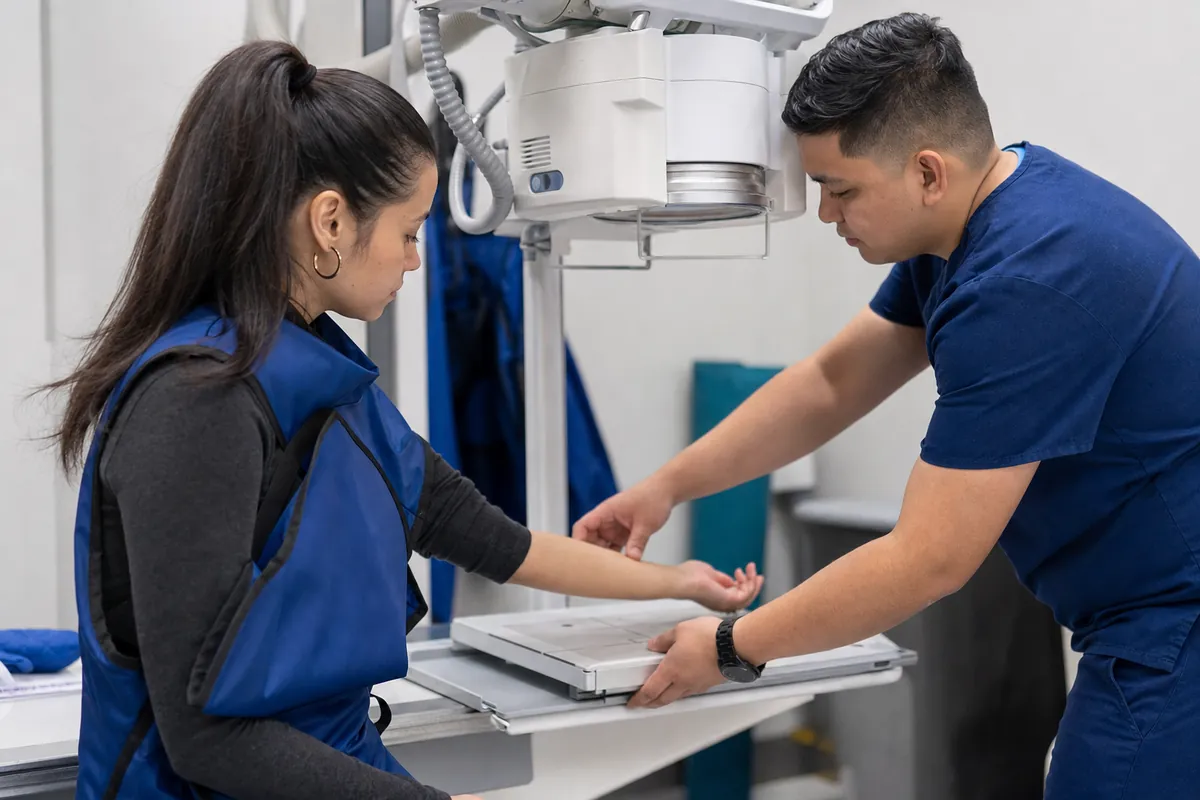
"Immediate care" and "urgent care" describe the same type of clinic: a walk-in medical facility built for problems serious enough to need same-day attention but not severe enough for the emergency room. At Mederi Urgent Care's Los Angeles-area locations, that list includes cold, flu, and other respiratory symptoms, ear infections, minor cuts, burns, and sprains, suspected minor fractures evaluated with on-site X-ray, STD testing and treatment, COVID and other rapid testing, IV hydration therapy, and physicals for school, sports, employment, DOT, or immigration purposes.
Typical Wait Times
Wait times at immediate care clinics vary significantly by location, time of day, and season. Mederi's typical wait is under 15 minutes, though this may run longer during peak hours or flu season. When comparing clinics, ask whether a posted wait-time figure reflects an average or a best case, and whether the clinic offers a way to check in or hold a spot online before you arrive, since that can meaningfully change your actual wait on a busy day.
How Much Immediate Care Costs
Self-pay visits at Mederi Urgent Care typically run $125 to $300, consistent with the national average reported by GoodRx. Added services like an X-ray or lab panel increase the total. Mederi accepts most major insurance plans and also offers self-pay options; always confirm exact cost with the specific clinic and your insurer before your visit, since pricing structures differ between facilities even within the same city.
How to Choose an Immediate Care Clinic
Four factors matter more than marketing claims when you compare clinics:
1. On-site diagnostics. A clinic with its own X-ray and lab avoids a second appointment somewhere else for imaging or bloodwork.
2. True walk-in access. Some clinics labeled "urgent care" or "immediate care" are effectively appointment-only during busy periods. Confirm walk-in policy directly.
3. Multiple locations and real hours. A clinic chain with several Los Angeles-area locations, like Mederi's three open clinics in Hollywood, Glendale, and Los Feliz, gives you options if one location is slammed or closed.
4. Insurance fit. Confirm the clinic accepts your specific plan before an urgent situation forces the decision for you. MedlinePlus recommends saving the number and address of your preferred urgent care clinic in your phone ahead of time, alongside your regular provider and nearest emergency department, precisely so you are not comparing clinics mid-crisis.
When Immediate Care Isn't the Right Choice
Immediate care clinics are built for non-life-threatening problems. Chest pain, stroke symptoms (sudden numbness, confusion, trouble speaking), severe bleeding, difficulty breathing, or a seizure lasting over a minute call for 911 or the emergency room instead, regardless of how close the nearest immediate care clinic is.
Frequently Asked Questions
Is immediate care the same as urgent care?
Yes, "immediate care" and "urgent care" are two names for the same type of walk-in clinic treating non-life-threatening illness and injury.
Do immediate care clinics treat children?
Most do, including Mederi Urgent Care, which sees patients of all ages for both illness and physicals.
Can I walk in without an appointment?
At Mederi Urgent Care, yes. Walk-ins are welcome at all three Los Angeles-area locations, though scheduling ahead can reduce your wait.
What's the difference between immediate care and a retail clinic inside a pharmacy?
Retail clinics typically treat a narrower list of minor conditions and often lack on-site X-ray or full lab services. A dedicated immediate care clinic like Mederi generally offers a broader scope of same-day services under one roof.
How do I know if my condition needs immediate care or a scheduled doctor's visit?
If it needs attention today or in the next day or two and isn't life-threatening, immediate care is appropriate. If it can reasonably wait for your regular provider's next opening, a scheduled visit may be more cost-effective and continuous with your existing care.
Does immediate care accept insurance?
Most immediate care clinics, including Mederi, accept major insurance plans and also offer self-pay options. Confirm your specific plan's coverage and copay before your visit.
Key Takeaways
- "Immediate care" and "urgent care" refer to the same type of walk-in clinic.
- Mederi's three Los Angeles-area locations treat illness, injury, STD testing, physicals, and more, all on a walk-in or same-day basis.
- Typical wait is under 15 minutes, though this varies by time of day and season.
- Self-pay visits typically run $125 to $300, in line with national averages.
- On-site X-ray and lab access is the biggest practical differentiator between immediate care clinics.
- Life-threatening symptoms belong at the ER or with a 911 call, not at an immediate care clinic.
External References

You Might Also Enjoy...
Immediate Care Clinics in Los Angeles: What Conditions They Treat, Wait Times, Cost & How to Choose One
Comparing immediate care clinics in Los Angeles? See which conditions they treat, typical wait times and cost, and what to check before you pick one.
X-Ray at Urgent Care in Los Angeles: What Gets Diagnosed, Walk-In Imaging, Results Timeline & Cost
Get an X-ray the same day at urgent care in Los Angeles. See what conditions it diagnoses, how walk-in imaging works, result timing, and cost.