 7 min read
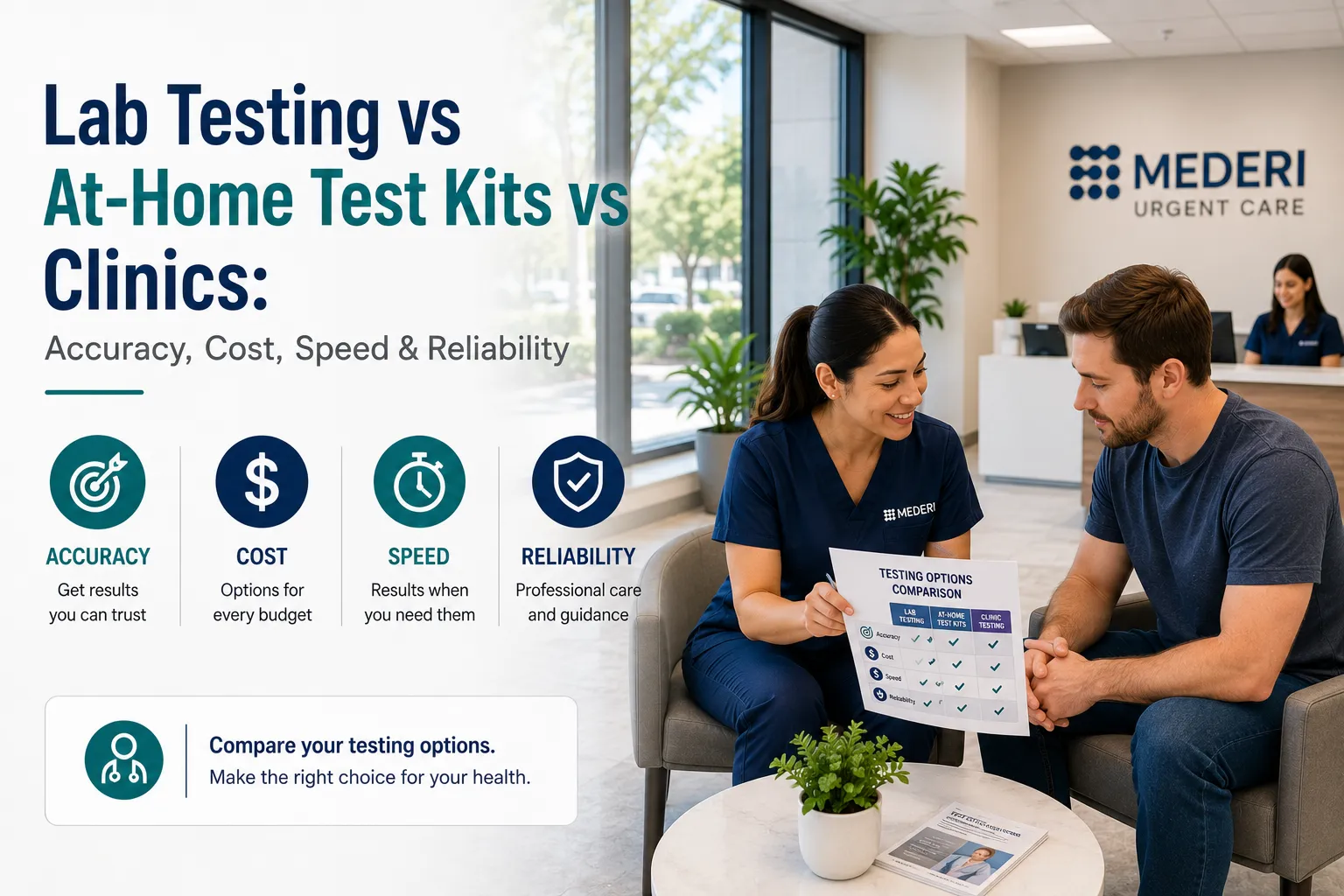
LAB TESTING VS AT-HOME TEST KITS VS CLINICS: ACCURACY, COST, SPEED & RELIABILITY
You can now order a test for almost anything online, swab your cheek or prick your finger at home, and mail the sample to a lab. At-home test kits have exploded in popularity since 2020, and pharmacy shelves are stocked with options for everything from COVID-19 to food sensitivities.
But are at-home test kits as accurate as the tests your doctor orders? When does it make sense to test at home versus visiting a clinic? And what happens if your home test gives you a result you do not understand?
This guide compares three testing approaches: professional lab testing at a medical facility, at-home test kits you administer yourself, and clinic-based rapid testing. By the end, you will know which option fits your situation best.
Professional Lab Testing at a Clinic
How It Works
When you visit an urgent care clinic or doctor's office for lab testing, a trained medical professional collects your sample. Blood draws are performed by certified phlebotomists. Urine samples are collected under proper protocols. Swabs are taken by providers who know the correct technique and anatomical location for each test. The sample is processed either on-site (at clinics with in-house lab equipment) or sent to a certified reference laboratory. Results are reviewed by a healthcare provider who can interpret them in the context of your symptoms, medical history, and overall health picture.
Accuracy
Clinic-based lab testing is the gold standard for accuracy. Samples are collected correctly by trained staff, processed on calibrated equipment, and interpreted by licensed professionals. CLIA-certified laboratories must meet strict quality standards set by the federal government. False positive and false negative rates are extremely low for most routine tests.
Best For
Clinic-based testing is the best choice when accuracy is critical, such as for STD confirmation, diagnosing active infections, monitoring chronic conditions, pre-surgical clearance, and any situation where treatment decisions depend on the result. Mederi Urgent Care provides on-site lab testing at all locations with same-day results available for many common tests.
At-Home Test Kits
How They Work
At-home test kits come in two varieties. Some kits provide instant results at home using a testing device (like COVID rapid antigen tests or pregnancy tests). Others require you to collect a sample at home (blood spot, saliva, or urine) and mail it to a laboratory, with results delivered online within a few days.
Accuracy Concerns
The accuracy of at-home tests varies significantly depending on the type of test and the manufacturer. COVID-19 rapid antigen tests have sensitivity around 50 to 80% for detecting infection, compared to over 95% for PCR tests performed at a clinic. The biggest variable is user error. Incorrect sample collection technique, improper timing, failure to follow instructions precisely, and expired test materials can all compromise results. For mail-in kits, sample degradation during shipping is an additional concern. Blood spot samples exposed to extreme temperatures or delayed in transit may produce unreliable results.
Best For
At-home tests work well for initial screening, convenience, and situations where clinical accuracy is not critical. They are useful for routine COVID screening before gatherings, monitoring known conditions between doctor visits, and privacy-sensitive screening you want to do before visiting a clinic. However, any positive result from an at-home kit should be confirmed with a clinic-based test before starting treatment.
Clinic-Based Rapid Testing
How It Works
Rapid tests performed at a clinic combine the convenience of fast results with the accuracy of professional sample collection. A trained provider collects the sample using proper technique, and the test is processed using professional-grade testing devices. Results are available in 5 to 30 minutes.
Accuracy
Clinic-based rapid tests are more accurate than at-home rapid tests because the sample is collected by a professional. Rapid strep tests have specificity above 95%. Rapid flu tests have sensitivity of 50 to 70% but very high specificity. Rapid HIV tests are highly accurate for ruling out infection. When a rapid test is negative but clinical suspicion remains high, the provider can immediately order a confirmatory lab test during the same visit.
Best For
Rapid clinic testing is ideal when you need answers quickly and want the confidence of professional administration. Sore throat that might be strep, flu symptoms during flu season, possible COVID exposure, and STD screening with immediate treatment availability are all strong use cases.
Side-by-Side Comparison
Here is how the three testing approaches compare across key factors:
Accuracy: Clinic lab testing is the most accurate, followed by clinic rapid testing, with at-home kits having the most variability. Cost: At-home kits range from $10 to $200. Clinic visits range from $50 to $300 (or copay with insurance). Clinic lab testing is covered by most insurance plans. Speed: Rapid tests (both clinic and home) give results in minutes. Clinic lab results take hours to days. Mail-in kit results take 3 to 7 days. Convenience: At-home kits are the most convenient. Clinic walk-in visits are moderately convenient. Scheduled lab appointments are least convenient. Professional interpretation: Only clinic-based options include a provider review of your results. Treatment access: Only clinic visits allow same-day treatment based on results.
When At-Home Testing Can Be Risky
There are situations where relying on at-home test kits alone can delay necessary care or give false reassurance.
STD testing is a common example. An at-home kit that returns a negative result might lead someone to skip clinic-based testing, even though the at-home test may have been performed too early in the infection window or collected incorrectly. For STDs, clinical testing at a dedicated testing service remains the safest and most reliable approach.
Similarly, at-home tests for conditions like thyroid disorders, diabetes screening, or hormone levels provide numbers without clinical context. A thyroid TSH value that falls in the normal range on an at-home test might still warrant investigation when combined with your symptoms and medical history, something only a provider can assess.
Frequently Asked Questions
Are FDA-approved at-home test kits reliable?
FDA-approved or cleared kits meet minimum accuracy standards, but their real-world accuracy depends heavily on proper use. Professional collection and processing consistently outperforms self-administered testing across all test types.
Can I show my at-home test results to a doctor?
You can share at-home test results with your provider, but most doctors will want to confirm the findings with a clinic-based test before making treatment decisions, especially for conditions like STDs, diabetes, or thyroid disorders.
Which tests should I never do at home?
Any test where a false result could lead to missed treatment or delayed diagnosis is best done at a clinic. This includes STD confirmatory testing, strep throat testing (since strep requires antibiotics), and tests for serious conditions like HIV.
Get Reliable Results With Professional Testing
At-home tests have their place for quick screening and convenience, but when accuracy matters, nothing replaces professional sample collection, certified laboratory processing, and provider interpretation.
Mederi Urgent Care offers comprehensive on-site lab testing with same-day results for many tests, walk-in availability, and experienced providers who explain your results clearly. Visit any of our four Los Angeles locations or call 213-442-1890. Book online at mederiurgentcare.com.

You Might Also Enjoy...
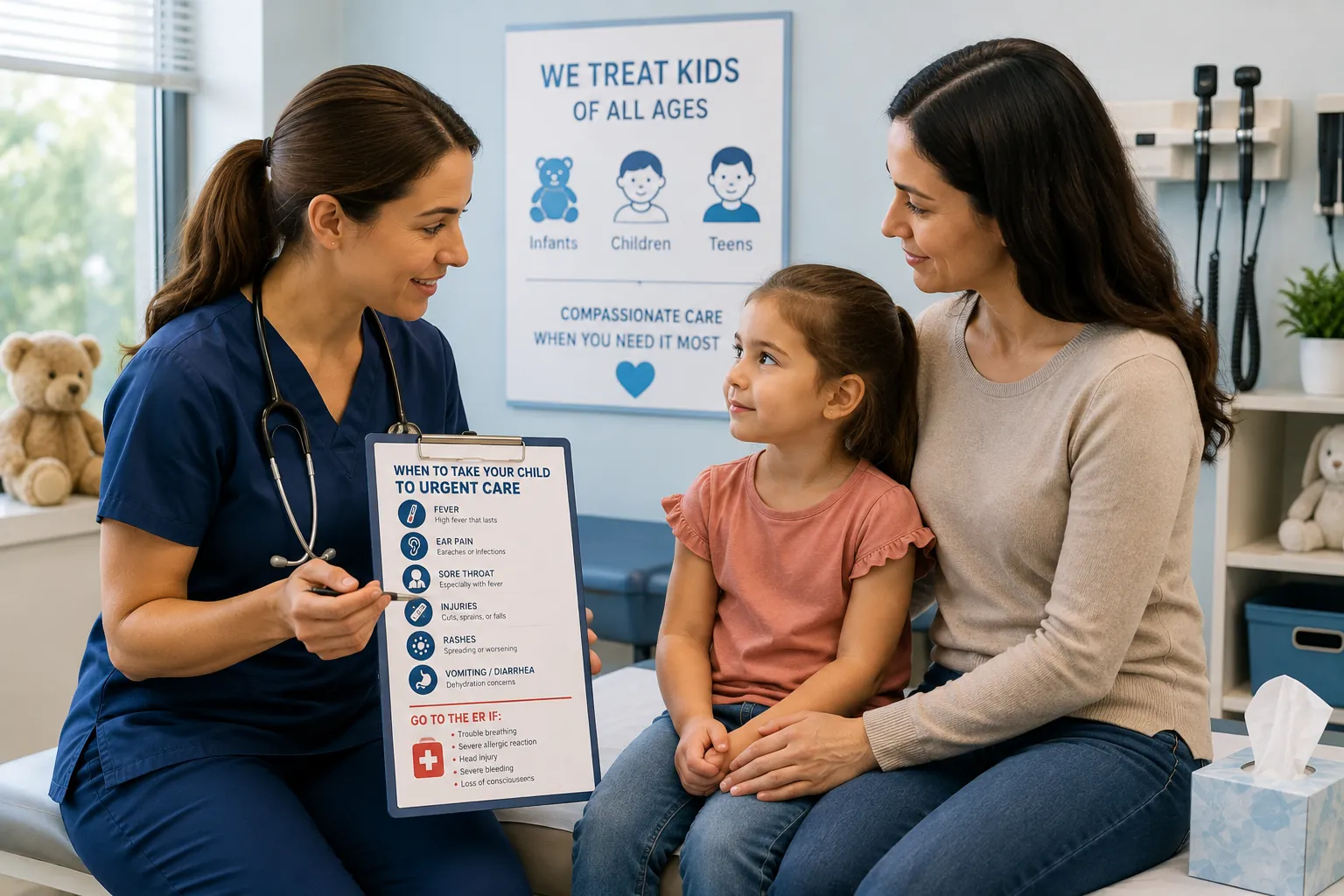
When to Take Your Child to Urgent Care: Fevers, Injuries, Ear Infections, Rashes & Warning Signs
Not sure if your child needs urgent care? Learn when to bring kids in for fevers, ear infections, injuries, rashes, and which symptoms require an ER visit instead.
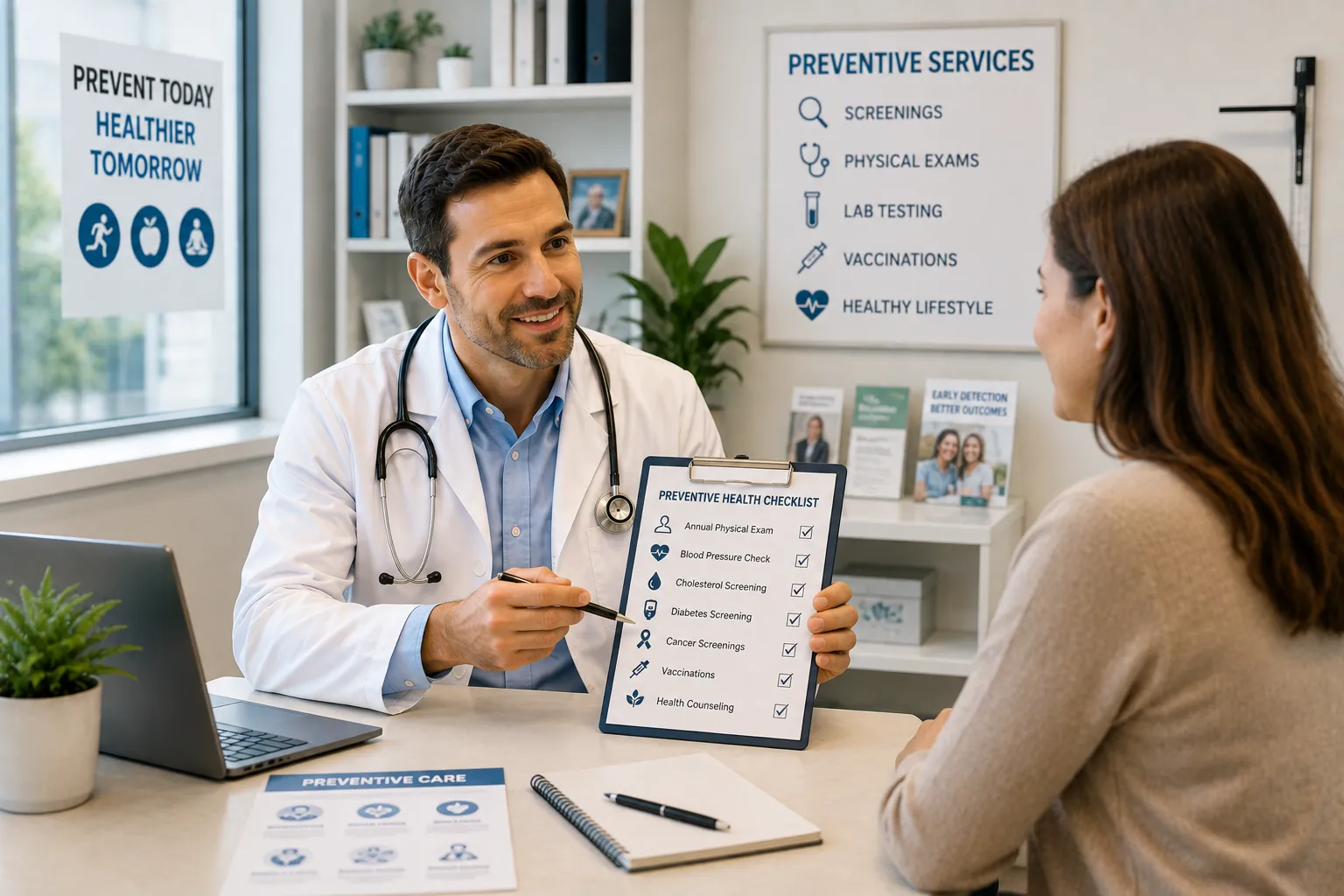
Preventive Healthcare Services: Testing, Physicals, Early Diagnosis & Long-Term Health Benefits
Learn about preventive healthcare services including screenings, physicals, vaccinations, and early diagnosis. Protect your long-term health at Mederi Urgent Care in Los Angeles.