 12 min read
HOW DEEP DOES A CUT NEED TO BE FOR STITCHES? COMPLETE INJURY GUIDE
Have you ever wondered if that kitchen mishap or gardening scrape is serious enough for stitches? It's a common question, and knowing the answer can save you time, worry, and even prevent complications.
Deciding whether a cut needs professional medical attention can be tricky, especially when you're caught off guard. This complete guide from Mederi Urgent Care will walk you through the key signs to look for.
You'll learn how to assess a wound, understand when to seek professional help, and know what to expect during treatment. Getting timely and appropriate care for a cut is crucial for proper healing and to minimize scarring.
Understanding Wound Depth: The Stitches Threshold Explained
When you get a cut, your first thought might be to clean it and put a bandage on. But some cuts require more than just a simple bandage. Understanding the depth of your wound is a primary factor in determining if you need stitches.
How Deep Does a Cut Need to Be for Stitches: Understanding Depth
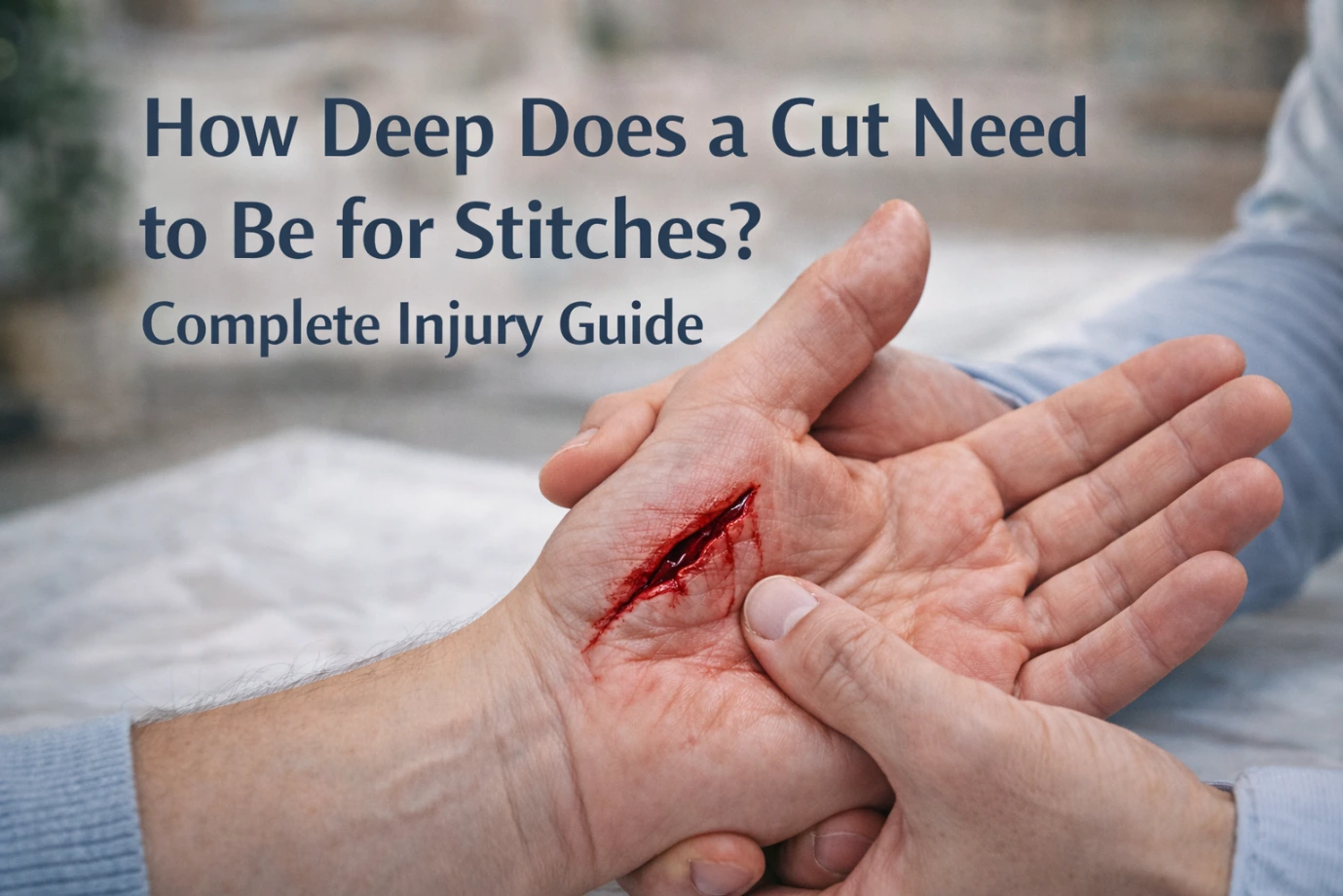
Generally, a cut that penetrates beyond the superficial layer of skin often requires stitches. This means the wound goes deeper than the dermis, exposing the subcutaneous fat layer. You might see yellowish fatty tissue, reddish muscle, whitish tendons, or even bone at the bottom of the wound. These are all clear indicators that the cut is deep enough for stitches. To get a sense of depth, you can gently probe the wound with a clean cotton swab, if possible, without causing more bleeding or discomfort. Observing how much the wound separates when you move the affected area can also give you a clue. If the edges pull apart easily and reveal deeper tissues, it's likely a significant wound.
Beyond Depth: Other Critical Factors Indicating Stitches
Depth isn't the only concern when assessing a cut. Wounds that are longer than half an inch or gape open and cannot be easily brought together usually benefit from stitches. The location of the cut also plays a significant role — cuts on the face, especially near the eyes, lips, or nose, often need meticulous stitching for good cosmetic results. Wounds over joints like knees, elbows, or knuckles are problematic because movement constantly pulls the edges apart. Persistent bleeding is another major red flag — if a cut continues to bleed profusely after 10 to 15 minutes of direct, firm pressure, professional help is needed. Jagged cuts, embedded foreign objects, contaminated wounds, and puncture wounds also require careful assessment due to infection risk and potential internal damage.
Signs Your Cut Needs Professional Medical Attention — Don't Wait
Recognizing the specific signs that a cut requires medical care can prevent serious complications. Delaying treatment for certain types of wounds can lead to infection, nerve damage, or significant scarring. If you notice any of these "red flag" signs, it's time to seek immediate professional help.
The "Red Flag" Checklist: When to Seek Immediate Care
1) Persistent or Uncontrolled Bleeding: continues heavily after 10–15 minutes of pressure, or blood is spurting. 2) Cut Depth Exposing Deeper Tissues: yellowish fat, reddish muscle, whitish tendons, or bone are visible. 3) Numbness, Weakness, or Impaired Movement: may indicate nerve or tendon damage. 4) Gaping Edges That Won't Close: skin edges pull apart and cannot be easily brought together. 5) Cuts on Sensitive or High-Movement Areas: face, eyelids, lips, genitals, or over joints. 6) Wounds Caused by Animal or Human Bites: high infection risk, may require antibiotics and tetanus shots. 7) Puncture Wounds: deep narrow wounds, especially from rusty or dirty objects. 8) Developing Signs of Infection: increasing redness, warmth, swelling, pus drainage, throbbing pain, or fever. For a quick visual reference on assessing your cut, see our related post: How to Know If That Cut Needs Stitches.
Special Considerations: Age, Health, and Wound Type
Beyond the immediate characteristics of the wound, your personal health profile can influence the need for stitches. Children heal quickly, but their delicate skin makes them prone to noticeable scars from untreated deep cuts, especially on the face. Older adults and those with compromised immune systems have slower healing rates and are more susceptible to infection. Individuals with diabetes face unique challenges — impaired circulation and nerve function lead to slower wound healing and significantly increased infection risk. For these groups, even seemingly minor cuts can quickly become serious, necessitating immediate professional care. Our pediatric services team is experienced in treating children's wounds with care and precision.
Home Care vs. Urgent Care vs. ER: Making the Right Choice Fast
When faced with a cut, knowing where to go for help can be just as important as knowing if you need stitches. Choosing the right medical setting ensures you get appropriate care without unnecessary delays or costs. This decision can be crucial, especially when time is a factor.
When Home Care is Sufficient
Not every cut requires a trip to the doctor. Many minor scrapes and superficial cuts can be safely managed at home. If the cut is shallow, stops bleeding quickly with light pressure, and its edges naturally come together without gaping, you can likely treat it yourself. After cleaning the wound thoroughly with mild soap and water, apply an antiseptic ointment and cover it with a sterile bandage. Monitor it closely for any signs of infection.
Why Mederi Urgent Care is Often the Best Choice for Stitches
For most lacerations that require stitches but are not life-threatening, Mederi Urgent Care is an excellent choice. Our clinics are equipped to handle minor injuries and offer several advantages over an emergency room. You'll typically experience shorter wait times (often under 30 minutes) and lower out-of-pocket costs compared to an ER. We have experienced providers, on-site X-rays, and lab services to accurately assess and treat your wound efficiently. Most insurance plans cover urgent care visits.
When to Head Straight to the Emergency Room
Certain severe cuts and associated injuries warrant an immediate trip to the emergency room. If you experience life-threatening bleeding that is spurting or very heavy, do not delay. Similarly, deep cuts with severe pain, loss of function, exposed bone, or significant foreign objects embedded deeply should be treated in an ER. Head injuries, abdominal injuries, or any suspicion of internal damage or fracture accompanying a cut also require the comprehensive resources of an emergency department.
First Aid for Cuts Before Professional Care
Whether you're heading to Mederi Urgent Care or managing a minor cut at home, knowing basic first aid can prevent complications. Immediate actions can help control bleeding and clean the wound, setting the stage for better healing. It's important to react quickly and calmly in these situations.
Immediate Actions: Stop Bleeding and Clean the Wound
Your first priority for any cut is to stop the bleeding. Apply direct, firm pressure to the wound with a clean cloth, gauze, or even your bare hand if nothing else is available. Maintain this pressure for 10 to 15 minutes without peeking. Elevating the injured area above the heart can also help reduce blood flow. Once the bleeding is under control, gently clean the wound with mild soap and warm running water to rinse away any dirt, debris, or bacteria. Avoid harsh antiseptics like hydrogen peroxide or iodine, as these can damage healthy tissue and delay healing.
What NOT to Do: Common Mistakes to Avoid
Resist the urge to pick at the wound or try to remove deeply embedded foreign objects yourself, as this can cause further damage or bleeding. Avoid using unproven home remedies, like butter or toothpaste, which can introduce bacteria and hinder proper healing. Most importantly, do not delay seeking professional care if you notice any "red flag" signs. The "golden hour" for stitches is often within 6–8 hours for optimal healing and to reduce infection risk. Waiting too long can mean the wound cannot be stitched, leading to a higher chance of infection and a more prominent scar.
The Stitching Process at Mederi Urgent Care: What to Expect
If your cut requires stitches, rest assured that Mederi Urgent Care provides efficient and effective wound closure. Our goal is to make the process as comfortable as possible for you. Knowing what to expect can help ease any anxiety you might feel.
From Arrival to Treatment: A Smooth Experience
When you arrive at Mederi Urgent Care, you can often check in online beforehand or simply walk in. Our experienced medical staff will quickly assess your wound, review your medical history, and discuss any allergies. The area around the cut will be thoroughly cleaned to prevent infection, and a local anesthetic will be applied to numb the wound, ensuring you feel little to no pain during the procedure. Once numb, our provider will carefully close the wound using the most appropriate method for your specific injury.
Types of Wound Closure: Beyond Traditional Stitches
Traditional sutures involve using sterile thread to sew the edges of the cut together. These can be absorbable (dissolve over time) or non-absorbable (require a follow-up visit for removal). Medical staples offer a quick and effective method for closing certain wounds, especially on the scalp or torso. Skin adhesives, or "liquid stitches," are a non-invasive option for smaller, clean cuts that aren't under much tension. For very superficial cuts, Steri-strips or butterfly bandages might be sufficient to hold the edges together.
Post-Stitch Care and Healing: Ensuring a Good Recovery
Getting stitches is just the first step; proper aftercare is crucial for a smooth recovery and to prevent complications. Following your Mederi Urgent Care provider's instructions diligently will help your wound heal well and minimize scarring. Your active participation in aftercare is key to success.
At-Home Care for Stitched Wounds
Keep the stitched wound clean and dry. Your provider will give you specific instructions on when and how to change dressings. Usually, a clean, dry dressing is recommended for the first 24–48 hours. After that, you might be instructed to gently clean the wound with mild soap and water once or twice a day, then pat it dry and apply a fresh dressing. Avoid soaking the wound in baths or swimming until advised. Manage pain with over-the-counter pain relievers like ibuprofen or acetaminophen, and avoid strenuous activities that pull on the wound.
Recognizing Complications: When to Follow Up
While most stitched wounds heal without issue, watch for increasing redness, warmth, swelling, or pus drainage from the wound — these are classic signs of infection. A developing fever or excessive pain that doesn't improve with medication also warrants immediate attention. If your stitches come undone or the wound reopens, contact Mederi Urgent Care for guidance. Early intervention can prevent minor issues from becoming major problems.
Stitch Removal and Scar Minimization
The timeline for stitch removal varies depending on the wound's location and depth. Stitches on the face are typically removed within 3–5 days, while those on joints or limbs may stay in for 10–14 days. Your Mederi Urgent Care provider will give you a specific timeline. Once stitches are out, focus on scar minimization by protecting the healing skin from the sun with sunscreen or clothing. Silicone sheets or gels can also be beneficial in reducing the appearance of scars over time, but always discuss these options with your doctor.
Prevention is Key: Avoiding Deep Cuts
While it's important to know how to react to a cut, preventing one in the first place is always the best approach. Many deep cuts are avoidable with a few simple safety precautions around the home and workplace. Taking a moment to be mindful can prevent painful accidents.
Kitchen Safety & Knife Handling
The kitchen is a common place for cuts. Always use sharp knives, as dull blades require more force and are more likely to slip. Cut away from your body, use a cutting board, and keep your fingers tucked back when chopping. Clean knives immediately after use and store them safely, ideally in a block or a drawer organizer, to avoid accidental contact.
Workshop & Garden Safety
When working with tools, whether in a workshop or garden, wear appropriate protective gear like gloves and safety glasses. Ensure your tools are in good working order and use them as intended. Be aware of your surroundings and keep children and pets away from work areas. Proper storage of sharp tools and equipment is essential to prevent unexpected injuries.
Childproofing Your Home
For families with young children, childproofing is crucial. Keep sharp objects, knives, scissors, and razors out of reach and locked away if possible. Cover sharp corners on furniture. Educate older children about knife safety in the kitchen and how to handle sharp objects responsibly. Constant supervision is the best defense against accidental cuts and scrapes for little ones. Learn more about keeping kids safe and healthy through our pediatric services.
FAQs: Quick Answers to Your Stitches Questions
How deep does a cut on a finger need to be for stitches?
Cuts on fingers are particularly prone to needing stitches, especially if they are deeper than a quarter-inch, expose white tendon or yellow fat, or gape open. Finger wounds are high-risk for infection and nerve damage due to limited blood supply and delicate structures. If you can see anything beyond the top layer of skin, or if the cut is on a joint, seek medical attention.
Can a deep cut heal without stitches, and what are the risks?
While some deep cuts might eventually heal without stitches, doing so carries significant risks. Without proper closure, the wound edges won't align, leading to a much higher chance of infection, prolonged healing time, and a more prominent, irregular scar. There's also a greater risk of functional impairment if the cut is over a joint or affects tendons. It's always best to have deep cuts assessed by a medical professional.
How long do stitches take to heal, and when are they removed?
The healing time for a stitched wound varies based on its location. Generally, stitches on the face are removed within 3–5 days, while those on the scalp, torso, or arms might stay for 7–10 days. Stitches over joints or on the feet often remain for 10–14 days to ensure adequate healing. Your Mederi Urgent Care provider will give you specific instructions and a removal timeline.
How much do stitches cost at an urgent care clinic like Mederi?
The cost of stitches at an urgent care clinic like Mederi is typically much lower than in an emergency room. The exact price can vary based on the complexity of the wound, the type of closure used, and your insurance plan. Most insurance providers cover urgent care services, and we can provide an estimate of costs before treatment. It's always best to check with your insurance provider for specific coverage details.
What if I waited too long to get stitches for my cut?
If you've waited too long, typically beyond 6–12 hours, a wound may not be suitable for primary closure (stitches). The risk of infection increases significantly over time, and closing a contaminated wound can trap bacteria. In such cases, your Mederi Urgent Care provider might clean the wound thoroughly and allow it to heal by "secondary intention" or consider a delayed primary closure. Even if stitches aren't possible, professional assessment is still crucial to prevent infection and manage healing.
Get Expert Care for Your Cut at Mederi Urgent Care
Knowing how deep a cut needs to be for stitches, and understanding the other critical signs, is vital for your health. Don't let uncertainty about a deep cut lead to complications or permanent scarring. Timely and appropriate medical attention can make all the difference in how your wound heals.
If you suspect your cut needs stitches, trust the experienced team at Mederi Urgent Care. We are committed to providing prompt, affordable, and expert care for all your non-life-threatening injuries. Walk-ins are always welcome, or you can check in online to minimize your wait time.
Find a Mederi location near you today — Glendale, Hollywood, and Los Feliz, CA.

You Might Also Enjoy...

Primary Care vs Urgent Care: Differences, When to Visit Each, Cost Comparison & How They Work Together
Not sure whether to visit primary care or urgent care? Compare costs, services, when to choose each, and how they complement your healthcare at Mederi Urgent Care LA.

Allergy Symptoms & Treatment: Seasonal, Food & Skin Allergies, Testing, Medications & When to Get Help
Dealing with allergy symptoms? Learn about seasonal, food, and skin allergies, available testing, medications, and when to seek same-day treatment at Mederi Urgent Care LA.